PeTooScan · Cat Oral Health Guide
Feline Periodontitis — How It Differs from Gingivitis
Feline periodontitis (gum disease) is a stage in which gingivitis progresses and even the bones and ligaments under the gums are damaged. Gingivitis can be reversed, but once it progresses to periodontitis, the damage is difficult to reverse. It is known that more than half of cats over the age of 3 have some form of dental disease, so it is important to manage them in the early stages (gingivitis).
Gingivitis and periodontitis, what is the difference?
| Category | gingivitis | periodontitis |
|---|---|---|
| Affected area | gum surface inflammation | Damage to bones and ligaments below the gums |
| Reversibility | Reversible (reversible) | Difficult to reverse (irreversible) |
| Possible outcome | Recovery when managed | Teeth loosening and loss as it progresses |
In other words, gum disease Gingivitis → PeriodontitisThe earlier you catch it, the better. (Gingivitis Guide)
Signs to watch for
- The gums recede (recede), exposing the tooth roots.
- Teeth become loose or change position
- Severe bad breath, bleeding gums (Bad Breath Guide)
- Difficulty chewing or signs of pain
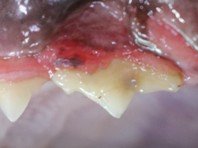 Before treatment
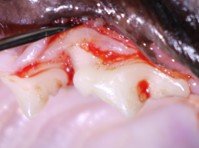 Open gums (surgical view)
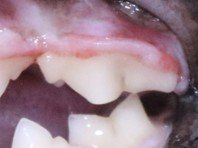 2 months after treatment
Treatment and management
- Advanced periodontitis requires professional scaling and periodontal treatment. Severe cases may require tooth extraction.
- To delay recurrence or progression, even after treatment, Brush your teeth every day Home care is important. (Toothbrushing guide)
- Above all, it is best to detect gingivitis early in its development.
Frequently asked questions
What is the difference between feline periodontitis and gingivitis?
Gingivitis is an early and reversible inflammation limited to the surface of the gums, while periodontitis is an advanced and irreversible stage in which the bone and ligaments under the gums are damaged. While gingivitis can be reversed with management, the damage to periodontitis is difficult to reverse.
Can periodontitis be treated?
Existing bone and ligament damage is difficult to reverse, but professional scaling, periodontal treatment, and home care can help manage progression. Severe cases may require extraction, so a veterinary exam is necessary.
Can cat gum disease be prevented?
Daily toothbrushing and regular exams can control plaque and identify gingivitis before it progresses to periodontitis.